
Simple Systems That Help You Follow Through
Most people don’t struggle because they lack goals. They struggle because life gets busy, plans change, and good intentions aren’t enough. That’s where having the right tools to stay consistent makes a difference.
You start the day knowing what needs to get done. Then the phone rings, work runs late, or something unexpected needs your attention. Before you know it, another day has passed without making progress.
However, consistency doesn’t usually fall apart overnight. It breaks down through small delays, missed commitments, and tasks that keep getting pushed to tomorrow.
A habit tracker, notebook, or simple timer won’t magically change your life. But these tools can help you stay organized and follow through when your energy runs low.
The goal isn’t to make every day perfect. It’s to make showing up easier, even when life gets messy.
Because lasting consistency doesn’t come from waiting until you feel ready. It comes from building simple systems that help you take action anyway.
Why It’s So Hard to Stay Consistent
You can have every intention of changing your habits and still find yourself starting over week after week. Your goals matter to you, and you know what needs to change. However, knowing what to do doesn’t always make following through easier.
Life has a way of interrupting even the best plans. Work runs late, unexpected problems come up, and your priorities get pushed aside. Before you know it, another week has passed without making much progress.
The problem isn’t always a lack of discipline. Sometimes, you’re trying to manage too many things without a reliable system to keep everything on track.
That’s where the right tools to stay consistent can make a difference. A habit tracker helps you see your progress, while a daily checklist keeps important tasks from slipping through the cracks. Even a simple reminder can help you follow through when your schedule gets hectic.
However, tools won’t do the work for you. You still have to make the decision to show up, especially when something easier sounds more appealing. The difference is that a good system makes taking action less complicated.
Consistency isn’t about getting everything right every day. It’s about having enough structure to keep moving forward, even when life doesn’t go according to plan.
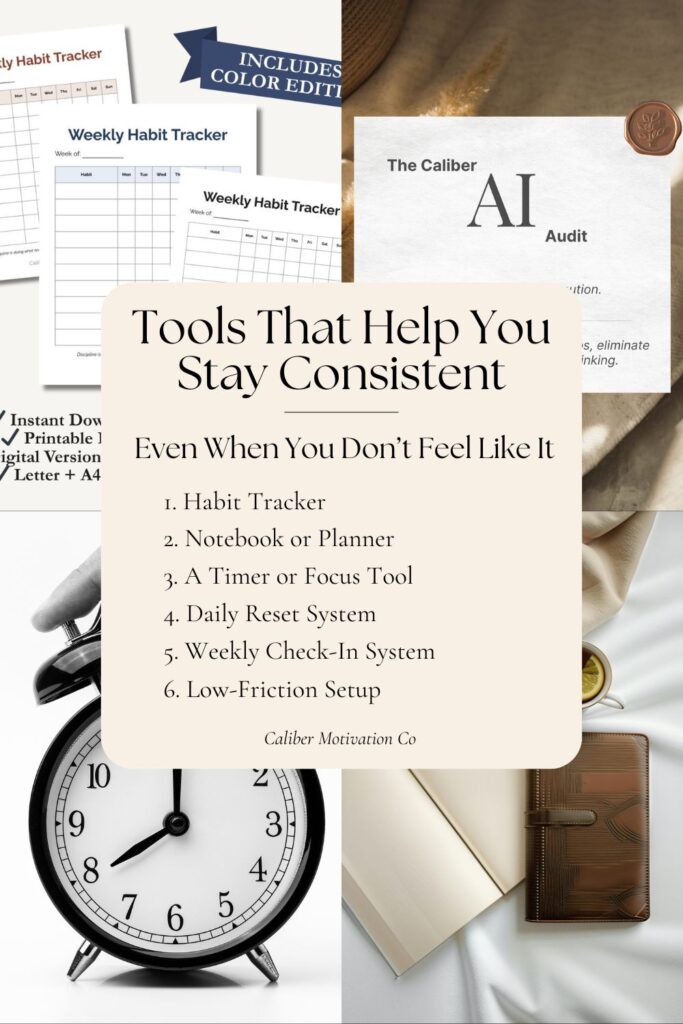
Save this pin ↓
Disclosure: This post may contain affiliate links. If you purchase through these links, Caliber Motivation Co. may earn a small commission at no extra cost to you.
Tools That Help You Stay Consistent — Even When You Don’t Feel Like It
Some days, you’ll have the energy to tackle everything on your list. Other days, even getting started feels like a chore. That’s why you need practical tools that help you follow through regardless of your mood.
You don’t need expensive equipment or complicated routines. In fact, the best tools are often the ones you’ll actually use when you’re tired, distracted, or short on time.
Here are six tools worth adding to your daily routine.
1. A Simple Habit Tracker
Ever start a new habit with the best intentions, only to realize two weeks later that you’ve stopped doing it? It happens easily when you’re juggling work, responsibilities, and everything else life throws at you.
A habit tracker gives you a simple way to see whether you’re following through. Instead of guessing how well you’re doing, you can look back and see which days you showed up and which ones you missed.
Additionally, tracking your habits helps you spot patterns before they become bigger problems. Maybe you consistently miss your workouts on busy days, or your morning routine falls apart after a late night. Once you recognize those patterns, you can make adjustments instead of starting over.
Here’s how to make habit tracking work for you:
- Choose two or three habits you want to improve.
- Record your progress at the same time each day.
- Review your results at the end of each week.
- Look for patterns rather than expecting perfection.
- Adjust your routine when something isn’t working.
You don’t need to track every little thing. In fact, trying to monitor too much can turn habit tracking into another chore.
If you’re ready to build more consistent habits, take a look at the Caliber 90-Day Habit Tracker and start tracking what matters.
2. A Simple Notebook or Planner
You don’t need an expensive planner or complicated app to stay organized. Sometimes a basic notebook does the job just fine. I’ve found that even a simple composition notebook can help keep everything in order.
Think about how many things you try to remember throughout the day. Appointments, bills, work tasks, ideas, and deadlines can pile up quickly. Writing them down gives you one place to keep track of everything.
Additionally, putting your thoughts on paper can help you sort through competing priorities. Instead of trying to remember ten things at once, you can focus on what needs your attention first.
Here’s a simple way to make your notebook work for you:
- Write down your three most important tasks each morning.
- Keep appointments and deadlines in one section.
- Use another section for ideas and reminders.
- Cross off completed tasks as you go.
- Spend five minutes reviewing tomorrow’s priorities before bed.
You don’t need to fill pages every day. In fact, keeping things simple makes the habit easier to maintain when life gets busy.
If you prefer a dedicated journal, the SUIN Hardcover Journal Notebook is another option worth considering. However, an inexpensive composition notebook can work just as well if you’re simply trying to get organized.
The best tools to stay consistent aren’t always the most expensive. They’re the ones that fit your routine and that you’ll keep using.
3. A Timer or Focus Tool
Sometimes the hardest part of staying consistent is getting started. A task can feel so big that you keep putting it off, even when you know it matters.
That is where a timer can help.
Instead of telling yourself you have to finish everything at once, you give yourself a smaller and more manageable goal. You are not saying, “I have to fix my whole routine today.” You are simply saying, “I am going to focus on this for the next 25 minutes.”
That small shift lowers the pressure and makes it easier to begin.
Set a timer for 25 or 30 minutes and give one task your full attention. No bouncing between tabs, no checking notifications, and no trying to do five things at once. Just one focused block of work.
That kind of focused time helps you build momentum. Once you get started, the task usually feels far less overwhelming than it did in your head.
A timer will not create discipline for you, but it can make follow-through easier by giving your work a clear beginning and end.
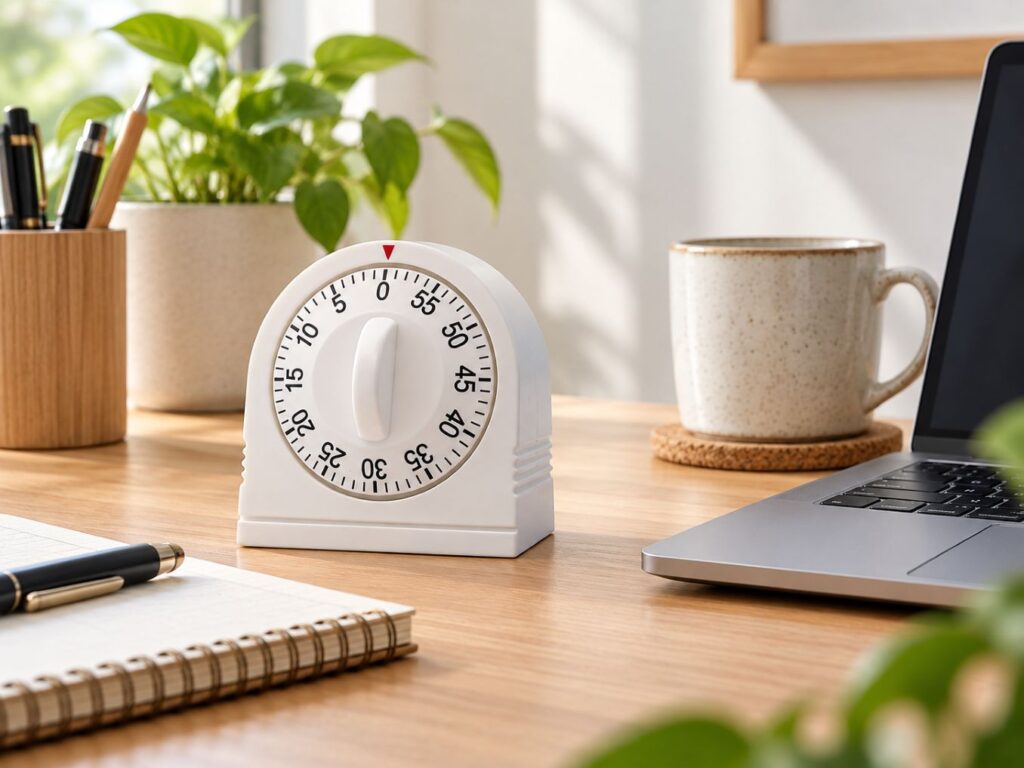
If you want a simple option, this 60 Minute Wind Up Timer is a practical tool for staying focused without relying on your phone.
4. A Daily Reset System
Ever have one of those days when nothing goes according to plan? You start with a list of things to accomplish, but interruptions keep pulling you in different directions. By evening, half your list is still waiting.
The problem isn’t having an unproductive day. It’s allowing that one day to turn into a week of missed goals and unfinished work.
That’s where a daily reset system comes in. Instead of dwelling on everything that went wrong, take a few minutes to figure out what needs to happen next.
Try this simple five-minute evening reset:
- Review your day. What did you accomplish, even if it wasn’t everything you planned?
- Identify the obstacles. What distracted you or kept you from following through?
- Recognize what worked. Which habits or routines helped you make progress?
- Choose tomorrow’s priorities. Write down the two or three things that matter most.
- Make one adjustment. Decide what you’ll do differently to avoid repeating today’s problems.
You don’t need a complicated planning system to make this work. A notebook, planner, or simple checklist is enough to get started.
Additionally, spending five minutes reviewing your day can help you recognize patterns you might otherwise miss. If the same problems keep showing up, you’ll know where your routine needs attention.
Consistency doesn’t mean every day goes perfectly. It means knowing how to recover when things don’t go as planned.
A daily reset gives you a chance to make that recovery before tomorrow even begins. Over time, those small adjustments can help you build stronger habits without starting from scratch every Monday.
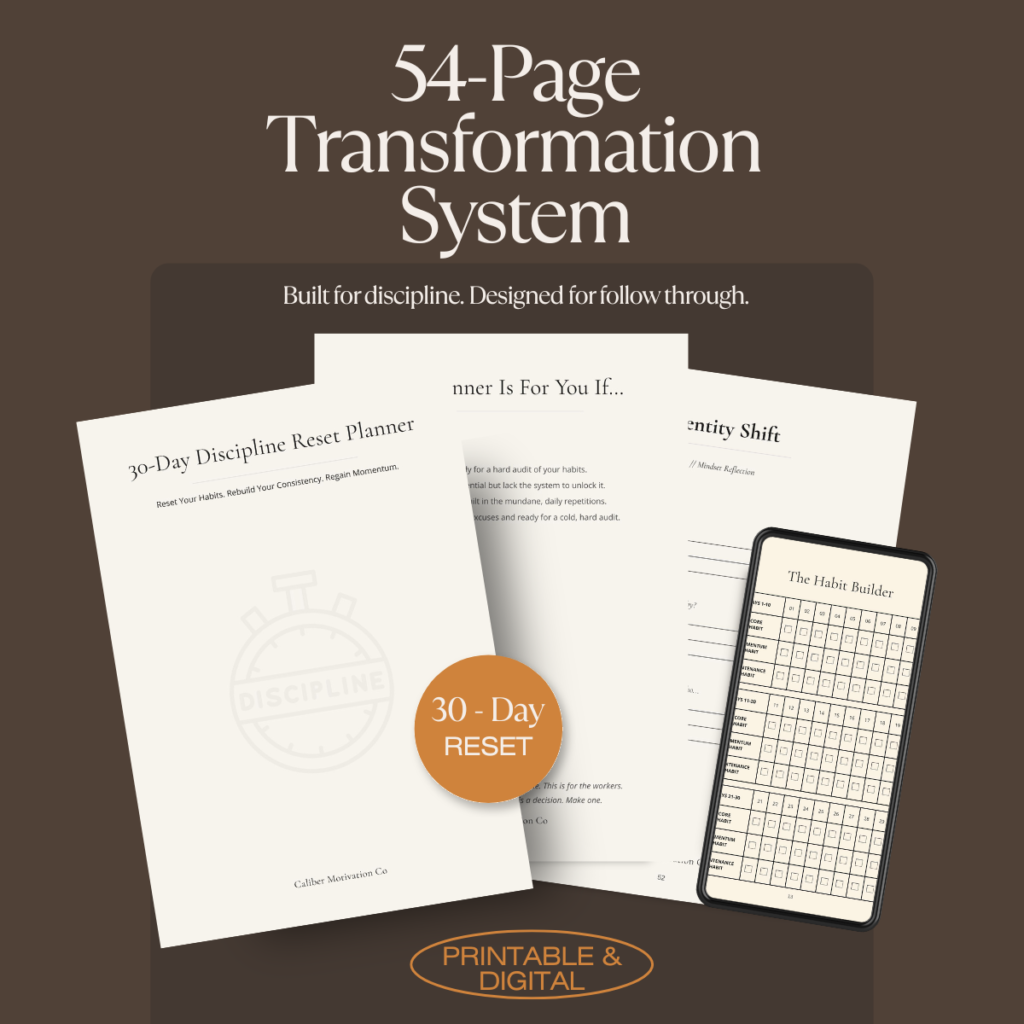
If staying on track has been a struggle, my 30-Day Discipline Reset Planner can help you put these ideas into practice. It provides a structured way to rebuild daily habits, track your progress, and regain control of your routine without trying to change everything overnight.
5. A Weekly Check-In System
Ever reach Friday and wonder where the entire week went? You stayed busy, handled problems, and crossed things off your list. However, some of your most important goals barely moved forward.
A weekly reset helps you catch that pattern before another week slips away. Instead of reacting to whatever comes your way, you take time to plan what matters.
Here’s a simple weekly reset routine:
- Review your progress. Look at what you accomplished and what remains unfinished.
- Identify unfinished priorities. Decide which tasks still deserve your attention.
- Check your schedule. Review appointments, deadlines, and other commitments for the coming week.
- Choose your top three goals. Focus on the results that will make the biggest difference.
- Prepare your workspace. Clear away clutter and organize anything you’ll need to get started.
You don’t need to spend hours planning your week. Even 15 minutes on Sunday can help you avoid wasting time deciding what to do each morning.
Additionally, a weekly reset helps you recognize when your schedule is becoming unrealistic. If you’re consistently carrying unfinished tasks into the next week, it may be time to adjust your priorities.
Want a ready-made system?
My Sunday Reset Checklist gives you a simple way to review your week, organize your priorities, and prepare for what’s ahead.
Instead of starting Monday already feeling behind, you’ll have a clearer plan for where your time needs to go.
6. A Low-Friction Setup
Have you ever sat down to work and spent the first ten minutes looking for something you need? Maybe your desk is cluttered, your chair is uncomfortable, or you’re constantly moving things around just to get started.
Your work environment can make a bigger difference than you realize. When everything you need is within reach, you spend less time getting organized and more time doing the work.
However, an organized workspace isn’t just about keeping your desk clean. It’s also about making sure you can work comfortably without putting unnecessary strain on your body.
Here are a few simple ways to improve your workspace:
- Adjust your chair. Keep your feet supported and your back comfortable.
- Position your screen. Place your monitor at a comfortable height to reduce neck strain.
- Keep essentials nearby. Store frequently used supplies where you can reach them easily.
- Remove distractions. Clear unnecessary clutter before beginning your work.
- Make room to move. Stand, stretch, and change positions throughout the day.
You don’t need an expensive office makeover to make these improvements. Start with what you already have and adjust the things that cause the most discomfort or distraction.
Additionally, a comfortable workspace can help you maintain your focus during longer work sessions. When your setup supports your body and your routine, staying consistent becomes less of a struggle.
For more ideas on creating a workspace that supports your health and productivity, read Ergonomic Essentials: If You Work Long Hours, Your Body Needs This Setup.
The goal isn’t to create a perfect workspace. It’s to create one that makes doing your work easier every day.
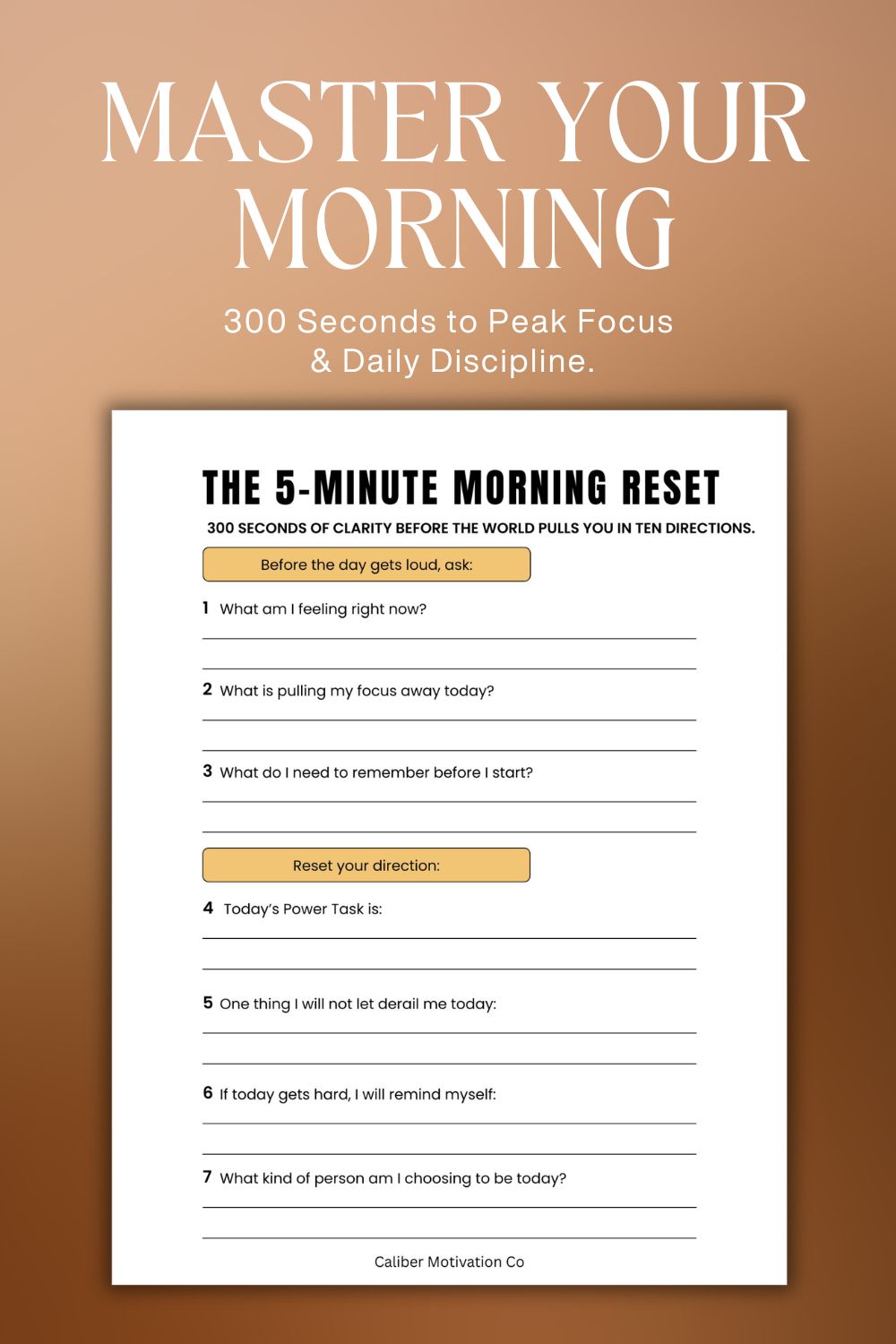
If your mornings feel rushed or scattered, our free 5-Minute Morning Reset can help you organize your thoughts, set clear priorities, and start your day with purpose. Grab your free copy below and give yourself five minutes to get focused before the day takes over.
Free 5-Minute Morning Reset
Build stronger discipline, focus, and consistency with the free 5-Minute Morning Reset guide from Caliber Motivation Co. Get new blog posts, mindset strategies, and practical systems for long-term growth delivered straight to your inbox.
Tools to Stay Consistent: Stop Waiting to Feel Ready
There will always be days when you’re tired, distracted, or dealing with more than you planned. You won’t always feel motivated, and your schedule won’t always cooperate. However, that doesn’t mean your goals have to come to a stop.
The six tools we’ve covered give you different ways to handle those challenges. Some help you manage your time, while others keep you organized or help you recover when things go wrong.
You don’t need to start using all six tomorrow. Instead, choose the one that addresses your biggest struggle right now and put it to work.
If you keep forgetting your goals, start tracking them. If you’re constantly distracted, try a timer. And if your weeks seem to disappear without progress, make time for a weekly reset.
The real test of a system isn’t how well it works on your best days. It’s whether you can still use it when life gets difficult.
Start with one tool, give it a fair chance, and make adjustments as you learn what works. Over time, those small changes can help you build a routine that supports your goals instead of leaving everything to chance.
You don’t need another perfect Monday. You need a system you can return to on an ordinary Tuesday.
Explore the practical planners, journals, and habit-building resources in the Caliber Motivation Co. Shop and find the tools that fit your goals.