
Do you ever feel like there are never enough hours in the day?
I know that feeling well. That’s exactly why I started using AI time management prompts to bring structure back into my day.
I run a landscaping business, raise my daughter, manage a household, and build Caliber Motivation Co in the margins — early mornings, late nights, and whatever small pockets of time I can find.
Some days, time management does not feel like a productivity topic.
It feels like survival.
That is why I started using AI differently.
Not for generic motivation — but to help me cut through the chaos, decide what actually matters, and turn scattered thoughts into a realistic plan.
This post shares AI prompts for time management that actually work — because they are built for real life, not perfect schedules, quiet mornings, or unlimited free time.
Here are the exact prompts I started using to take control of my time again:
🔹 1. Daily Focus Plan (Get Clear Fast)
Act as a productivity coach. I have [X hours] today. Help me choose the top 3 highest-impact tasks based on my goals: [insert goals/tasks].
Most people waste time deciding what to do.
This removes that completely.
🔹 2. Time Block My Day (Structure Everything)
Create a simple time-blocked schedule for my day using these tasks: [list tasks]. Include realistic pacing and short breaks.
No more guessing. No more jumping between tasks.
Just follow the plan.
🔹 3. Overwhelm Reset (When You’re Stuck)
I feel overwhelmed. Break these tasks into the smallest possible steps so I can start immediately: [list tasks].
This is the one I use the most.
When everything feels like too much, this gets you moving again.
🔹 4. Eliminate Distractions (Stay Locked In)
Based on my goals, what distractions should I eliminate today to stay focused? Be specific.
Sometimes the problem is not doing more.
It is doing less of what does not matter.
🔹 5. End-of-Day Reset (Build Momentum)
Help me review my day. What did I do well, what should I improve, and what should I focus on tomorrow?
This is how you stop starting over every day.
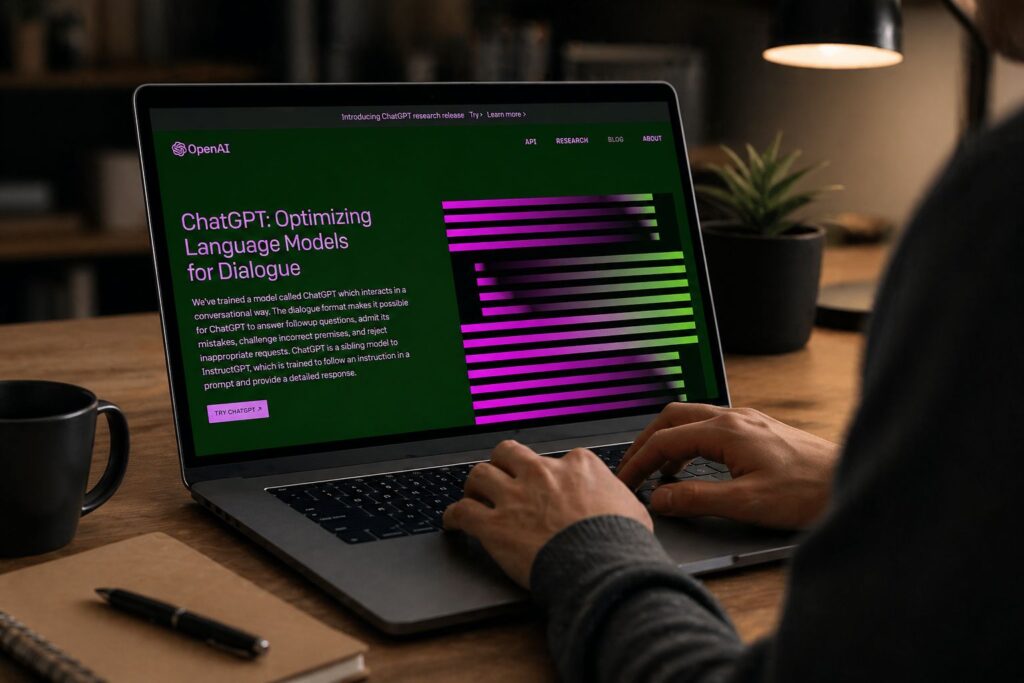
How I’m Starting to Use AI Without Getting Overwhelmed
One thing I’m starting to realize is that how you organize AI matters just as much as the prompts you use.
At first, I was putting everything into one chat — tasks, ideas, planning, random questions — and it just turned into more noise.
Now I’m starting to separate things into different chats based on what I need:
- one for daily planning
- one for business ideas
- one for content
- one for problem-solving
It sounds simple, but it makes a big difference.
Each chat becomes more focused, and the responses actually get better because the context is clearer.
If focus, follow-through, or daily execution is still the bigger problem, these AI prompts for discipline can help turn scattered thinking into a clearer action plan.
Using AI Like a Tool — Not Just a Chat
I’m also starting to experiment with treating AI more like a system than a conversation.
Instead of asking random questions, I’ll give it a role:
- “Act as a productivity coach”
- “Act as a time management strategist”
- “Act as a business advisor”
That small shift changes the quality of the answers completely.
It gives structure to the conversation instead of just reacting to it.
Still Figuring It Out (And That’s The Point)
I’m not doing this perfectly.
I’m still testing what works, what doesn’t, and how to make it fit into real life — not some ideal routine.
But even just starting to organize it this way has made everything feel less overwhelming.
And when things feel less overwhelming…
it is a lot easier to actually follow through.
If You Want To Go Deeper With AI
If you are just starting to use AI like this, it can feel overwhelming at first.
There is a difference between asking random questions…
and actually using it as a tool to structure your day and decisions.
That is where structured learning can help.
There are beginner-friendly AI courses that walk you through:
- how AI actually works
- how to use it in real life
- how to build simple systems around it
One option is to explore beginner-friendly AI courses (like those on platforms such as Coursera or similar learning sites)
You do not need to become an expert.
Even a basic understanding can save you hours every week.
If you want a broader look at the tools available, these 10 AI platforms for entrepreneurs break down where each one fits and what it does best.
Disclosure: This post may contain affiliate links. If you purchase through these links, Caliber Motivation Co. may earn a small commission at no extra cost to you.
Beginner-Friendly AI Resources
A simple guide can help you understand how to actually use AI in your daily life—not just learn about it.
Here are a few beginner-friendly options:
- The ChatGPT Millionaire– a practical, step-by-step look at using AI tools to improve productivity and create opportunities
- Co-Intelligence: Living and Working with AI – a more thoughtful approach to how AI can support your thinking and decision-making
- AI 2041 – a broader perspective on how AI is shaping the future and what it means for everyday life
You don’t need to become an expert—just learning how to use AI as a tool can save you hours every week.
Here’s the Truth Most People Miss
AI will not fix your life.
It will not build discipline for you.
But it will remove friction.
And friction is what kills consistency.
Why Structure Still Matters
That is also why having a system outside of AI matters just as much.
Because even with better planning…
you still need something that keeps you consistent.
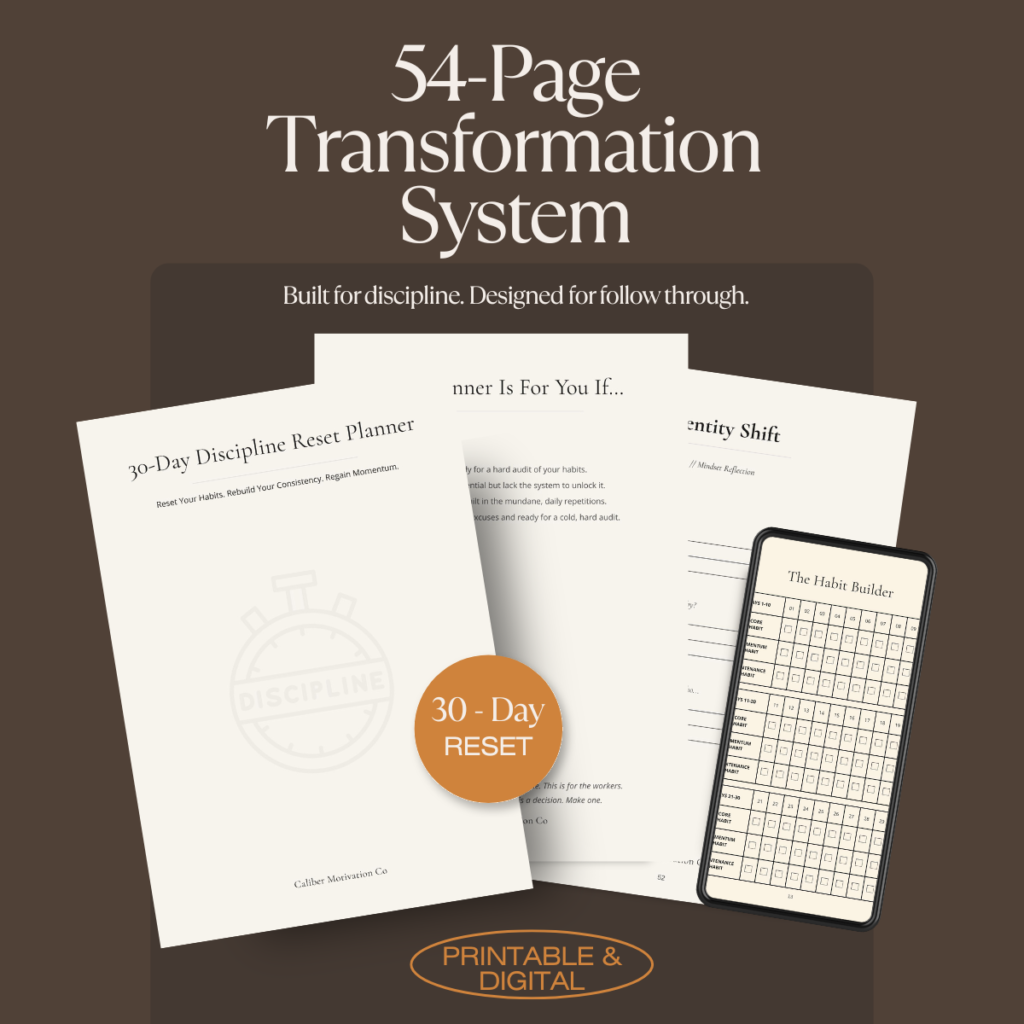
That is exactly why I created the 30-Day Discipline Reset Planner — for the days when motivation isn’t there, but the work still has to get done.
It is built to:
- give your day structure
- keep your priorities clear
- help you follow through even when you are tired
Start your reset here:
It is not about doing more.
It is about doing the right things — consistently.
If You Need Help — Reach Out
If you try these prompts and feel stuck, or you are not sure how to apply them to your situation, do not hesitate to reach out.
You can email me anytime at:
👉 support@calibermotivationco.com
I am still figuring this out too — and sometimes a little direction can make a big difference.
Final Thought
If you are tired of feeling like there are not enough hours in the day…
Stop relying on willpower.
Start using structure.
Start removing friction.
And most importantly —
start showing up anyway.