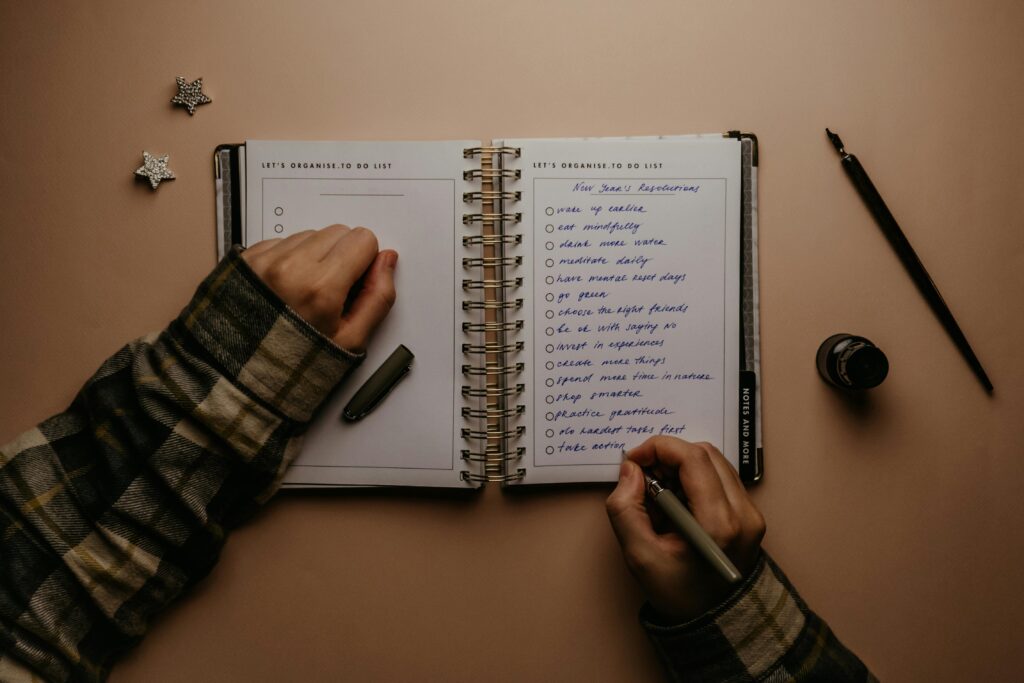
If you want to build discipline, you’ve got to stop waiting until you feel like doing the work. Some days you’re tired, behind, distracted, or already dealing with problems before the day really gets going. That’s usually when discipline matters most.
You’re not always going to feel fired up. You won’t always have a clear head, a perfect morning, or a wide-open schedule. Sometimes you’ve just got to do what needs doing even when you’d rather put it off.
Maybe that means getting out of bed instead of hitting snooze again. Maybe it means finishing the work you’ve been avoiding or keeping one small promise to yourself. None of that looks impressive, but that’s exactly how you build discipline over time.
You don’t need some giant life overhaul. Forget the new planner, another app, or one more Monday morning promise that this week will be different. A few simple habits you can stick with when the mood wears off will take you a lot further.
Those little choices start stacking up. After a while, you trust yourself more because you know you’ll follow through. You stop having a full-blown argument with yourself every time something feels hard.
If focus has been kicking your butt lately, read How to Improve Focus in a World Under Constant Attack. However, focus is only one part of the picture because discipline also means doing what needs to be done when nobody’s watching and nobody’s giving you credit for it.
That kind of discipline usually grows quietly. You build it one ordinary day at a time, and these 10 habits can help you do exactly that.
The Habits That Build Discipline

1. Start The Day With Direction (A Habit That Builds Discipline)
If you don’t decide what matters before the day gets rolling, everything else will decide for you. A text comes in, the phone rings, somebody needs something, and before long you’ve been busy for six hours without touching what mattered most.
That’s why I like keeping it simple. Before the day gets away from you, pick one to three things that absolutely need your attention. They don’t have to be huge goals. They just need to be the things you’ll be glad you handled before your head hits the pillow.
This small habit helps you build discipline because it gives your day some direction before the noise takes over. You’re not trying to control every hour. You’re just making sure the important stuff doesn’t keep getting shoved to tomorrow.
2. Protect Your Attention
If you want to build discipline, you’ve got to get serious about where your attention goes. It’s easy to sit down with good intentions and still lose half an hour bouncing between tabs, checking something “real quick,” or chasing whatever pops into your head.
That scattered feeling wears you out faster than you think. You end up busy, but not really moving anything important forward.
So make it harder for distractions to get a foothold. Close what you don’t need, give one task your full attention, and stop treating every little interruption like it deserves an answer right now.
Protecting your attention helps you build discipline because it trains you to stay with the task instead of constantly switching gears. The more often you do that, the easier it gets to hold your focus when the day gets noisy.
3. Do the Difficult Thing Early
There’s usually one thing hanging over your head that you know needs to get done, but you just keep putting it off.
The longer you avoid it, the more space it takes up in your head. You think about it while doing everything else and that can make the whole day feel heavier than it needs to.
So, handle the hard thing early when you can. Getting it done clears some mental clutter so you can quit carrying it around in your head and be more productive on everything else.
More importantly, you’re training yourself to stop running from discomfort. Every time you face the hard thing instead of avoiding it, you get a little better at following through.
4. Build Systems Instead of Relying on Motivation
Motivation is great when it shows up, but you can’t count on it every day. A new goal feels exciting at first, then a few weeks pass and suddenly the work feels a lot less fun.
That’s where a simple system earns its keep. Instead of asking yourself every day whether you feel handling your business, you already know what comes next.
You follow the plan and take some of the arguing out of it.
That’s one reason I created the 90-Day Habit Tracker. It gives you a simple way to see what you’ve done, keep yourself accountable, and stay consistent when motivation starts running thin.
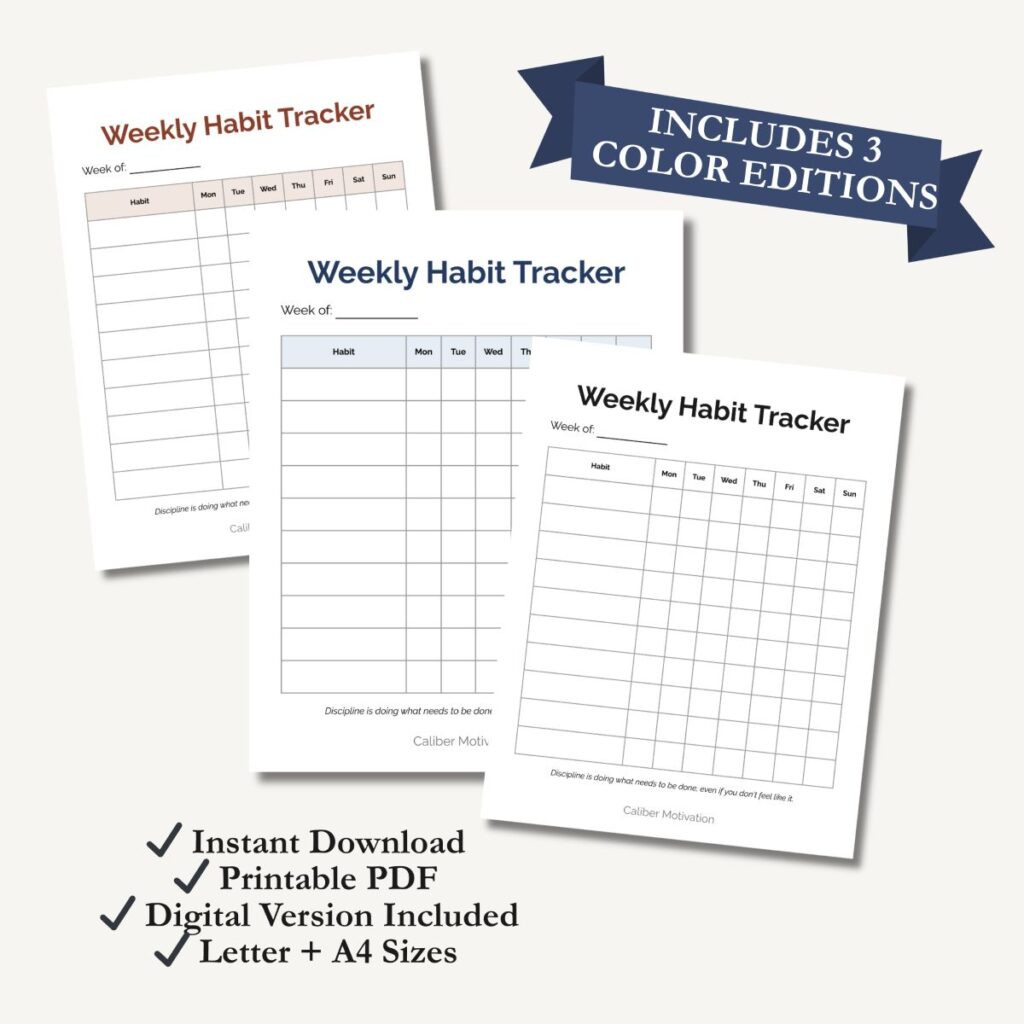
The less you rely on how you feel in the moment, the easier it gets to follow through. After a while, consistency starts doing the heavy lifting that motivation never could.
5. Limit Decisions That Drain Energy
By the middle of the day, your brain can feel cooked even when the work itself wasn’t that hard. A lot of that comes from making little decisions all day long about what to do next, what to eat, what to work on, and what can wait.
That constant back-and-forth wears you down. The more choices you leave open, the more mental energy you burn trying to sort them out.
That’s one reason I started doing a weekly reset. When your priorities are already laid out, your schedule makes sense, and your non-negotiables are decided, you waste less time figuring out what comes next.
If your week constantly feels scattered, the Sunday Reset Checklist can help you get a grip on it. It gives you a simple way to plan ahead, reduce decision fatigue, and keep the important stuff from getting buried.
Simple routines take some of the pressure off your brain. You don’t have to reinvent the day every morning, and that makes consistency a whole lot easier.
6. Track What You’re Trying to Improve
It’s hard to improve something when you’re not really paying attention to it. That doesn’t mean you need to track every minute of your day or turn your life into one giant spreadsheet.
You just need enough information to see what’s actually happening. Once you start keeping score, patterns show up pretty fast.
You’ll see where you’re making progress, where you keep slipping, and where you’ve been making excuses without realizing it. That kind of honesty can sting a little, but it’s useful.
Whether you’re tracking workouts, savings, habits, or business goals, the numbers give you something real to work with. It’s a whole lot harder to tell yourself you’re doing great when the record says otherwise.
That’s one reason habit tracking works so well. If you want to dig deeper into that, read How Habit Tracking Builds Discipline and Long-Term Success.
I’ve found that a simple tracking system takes a lot of the guesswork out of progress. You don’t have to wonder whether you’re moving forward because you can actually see it.
Small improvements may not look like much today. However, keep stacking them long enough and they start turning into something you can’t ignore.
7. Control Your Environment
Your environment can either make good habits easier or make you fight yourself all day. If distractions are always within reach, you’re going to spend more energy resisting them than you need to.
On the other hand, when the right tools are easy to grab, following through gets simpler. Keep the book where you’ll see it, lay out your workout clothes the night before, or move distracting apps somewhere less convenient.
You don’t have to depend on willpower for every little choice. Sometimes the smarter move is setting things up so the better choice is simply easier to make.
That’s one of the easiest ways to become more consistent. Change what’s around you, and you’ll spend less time wrestling with yourself.

8. Stay Consistent on Ordinary Days
A new goal can make staying consistent feel easy at first. The harder part comes later, when the excitement wears off and the day feels plain, busy, or just flat-out tiring.
Those ordinary days are where consistency gets tested. Your energy may be low, nothing exciting is happening, and nobody’s standing there telling you to keep going.
That’s when showing up matters most. You don’t have to crush the day. You just have to keep the promise you made to yourself and do what you said you’d do.
Over time, that kind of follow-through changes you. Discipline starts becoming less about forcing yourself and more about becoming someone who keeps going even when the day feels ordinary.
9. Learn Something Every Day
You don’t have to spend hours studying to keep growing. Read a few pages, learn one new skill, fix a problem you didn’t know how to solve yesterday, or pay attention when something teaches you a lesson the hard way.
That kind of growth doesn’t look like much in one day. However, give it a few months and you’ll know more, handle more, and make better decisions than you did before.
Learning also keeps you from getting too comfortable. The minute you decide you already know enough, it gets real easy to start coasting.
Keep feeding your mind a little every day. You don’t need to become an expert overnight. You just need to know a little more tomorrow than you knew today.
10. Reflect Before the Day Ends
Before the day’s over, take a couple of minutes and look back at how it actually went. What worked, what got away from you, and what needs to change tomorrow?
This doesn’t need to turn into a full journal session. You’re just checking in with yourself instead of blowing through one day after another without noticing the patterns.
Maybe you handled the hard thing early. Maybe you wasted an hour you didn’t mean to lose. Either way, paying attention gives you something to work with.
That small habit helps you adjust before little problems become bigger ones. Over time, you get better at catching what’s working, fixing what isn’t, and staying more consistent.
Discipline grows a lot faster when you’re willing to look at your own day and tell yourself the truth.
Disclosure: This post may contain affiliate links. If you purchase through these links, Caliber Motivation Co. may earn a small commission at no extra cost to you.
Final Thoughts
If you want to see how small actions can create bigger results over time, The Compound Effect by Darren Hardy is a solid next read. It shows why consistency matters long after motivation fades.
You don’t need to tackle all 10 habits at once. Pick the one that would make the biggest difference in your life right now and work on that first.
Maybe you need better focus. A stronger routine could be the missing piece. Or maybe you simply need to stop putting off the thing you already know needs to get done.
Start there and give it time to stick. Then move on to the next habit.
If you’re ready to put more structure behind your goals, visit the Caliber Motivation Co. shop for practical tools that can help you stay focused, track your progress, and keep moving forward.
Join The Standard
Get practical articles on discipline, mindset, structure, and execution delivered straight to your inbox.
No hype. No fluff. Just real-world strategies to help you stay focused and keep building.
No spam. Unsubscribe anytime.