
If you want to build a life you are proud of, learning how to choose better friends matters more than most people realize. The people closest to you influence your habits, confidence, energy, choices, and what you slowly begin to accept as normal.
Think about the last time you bought a bad pair of shoes. They looked good at first, maybe even felt fine for a little while, but after enough time they started rubbing the wrong way, slowing you down, and making every step harder. You wouldn’t keep wearing them forever just because you already bought them.
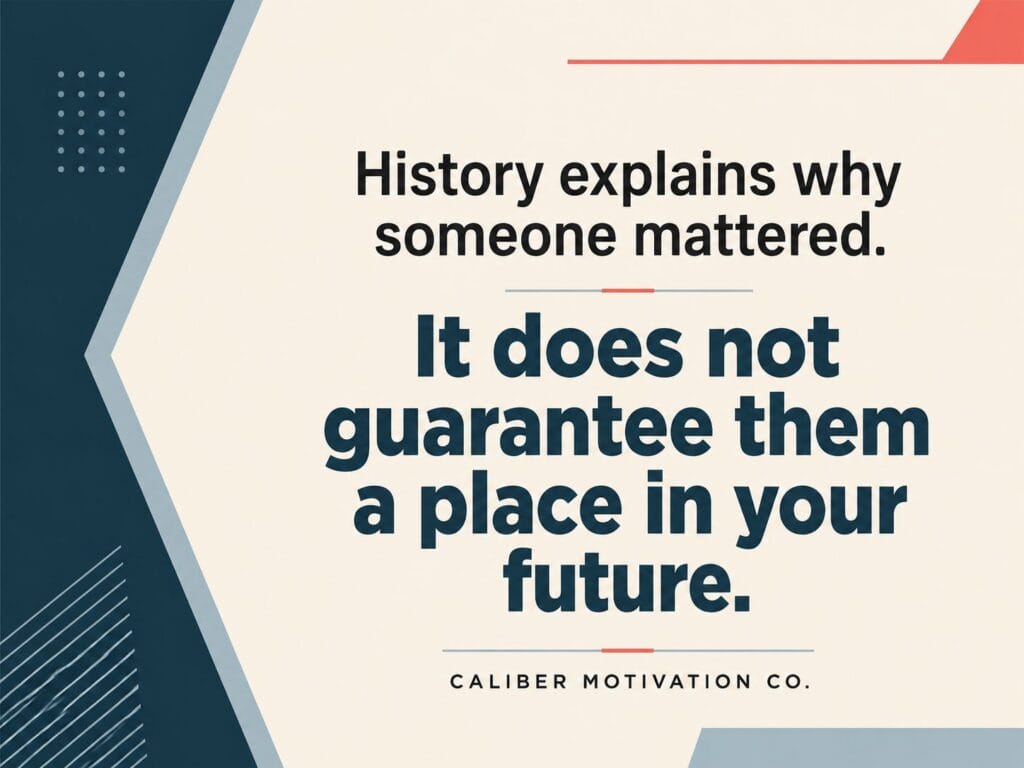
Friendships can work the same way. Having history with someone does not automatically mean they still belong in your future, and caring about someone doesn’t mean they need unlimited access to your everyday life.
A Lesson I Learned the Hard Way
Some people are like a bonfire on a cool night. They are fun to be around, everybody laughs, and nobody wants the night to end, but you cannot build your whole life sitting around the fire.
I learned that the hard way when I was younger. Most of my friends were moving forward, going to college, building careers, and creating lives for themselves, while I was still more focused on having fun and spending time with people who were perfectly comfortable staying right where they were.
And yes, I had a lot of fun. I am not going to rewrite history and pretend I didn’t, but those choices came with a cost.
I got a late start in life and made things much harder for myself than they needed to be. While other people were building, I was putting things off, and eventually I had to spend years playing catch-up.
What I understand now is that the people I surrounded myself with when I was younger were not bad people.. They just weren’t the people who were going to push me toward the life I eventually wanted.
That is an important difference. Someone can be funny, loyal, familiar, and still be completely wrong for the direction you want your life to go.
Your Circle Changes What Feels Normal
Spend enough time around the same people and their habits can start to feel normal, even when those habits are not helping you move forward.
At first, you may notice certain things. Someone always puts responsibilities off. Another person never follows through. Somebody else spends every dollar the second they get it. But when you see the same patterns over and over, they can stop standing out.
Pay attention to things like this:
- Procrastination starts feeling harmless: Putting things off until the last minute becomes normal because everyone around you does it.
- Excuses start sounding reasonable: Blaming circumstances and avoiding responsibility become easier than actually changing something.
- Low effort becomes acceptable: Skipping goals, giving up quickly, and doing the bare minimum stop feeling like warning signs.
- Bad money habits start looking normal: Constant overspending, never saving, and buying whatever feels good in the moment start to seem like no big deal.
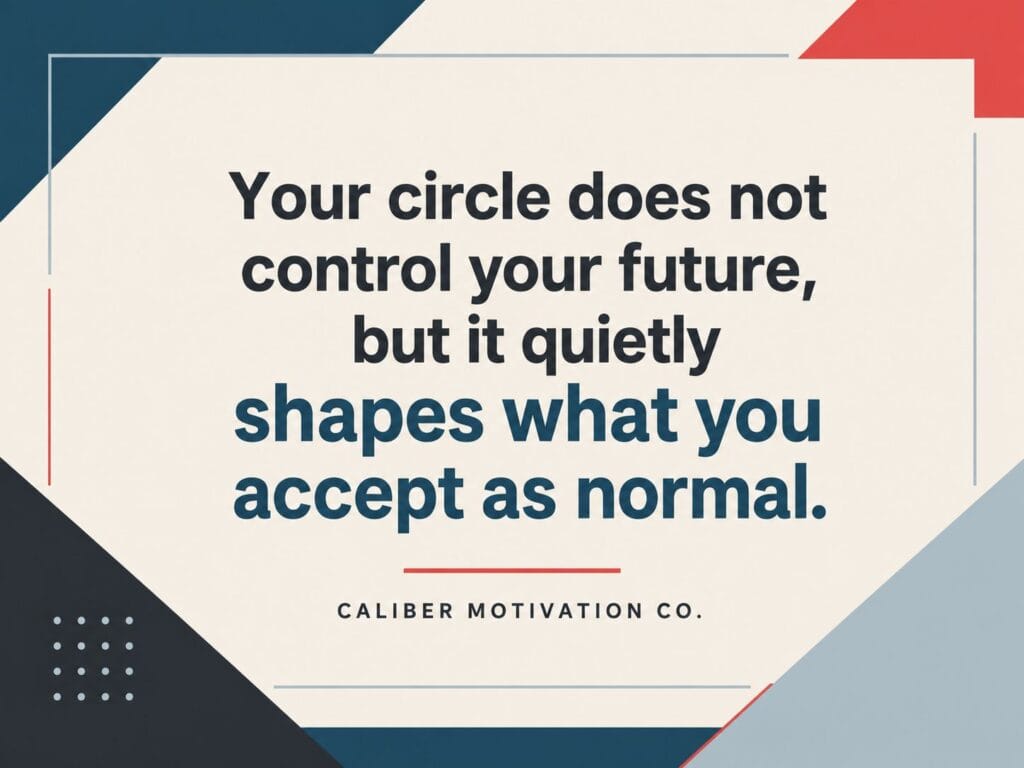
Your circle doesn’t control your future, but it can quietly shape what you start accepting as normal.
One of the best videos I’ve found on this subject is Bob Proctor’s Choose Your Friends Wisely. I love how he explains that being selective about your circle isn’t about thinking you’re better than anyone. It’s about protecting where you’re going.
Ask yourself: What habits or attitudes have started to feel normal simply because the people around you do them too?
How to Choose Better Friends Without Becoming Judgmental
Choosing better friends does not mean walking around deciding who is good enough for you.
It means being honest about what kind of people fit the life you are trying to build.
Someone can be kind, funny, and generous and still not be the right person for your inner circle. That doesn’t make either of you wrong. It may simply mean your lives are moving in different directions
Pay attention to things like this:
- Look at patterns, not one bad day: Everybody has rough moments. What matters is how someone usually acts over time.
- Focus on compatibility, not superiority: You are not asking, “Am I better than them?” You are asking, “Do our values and priorities fit?”
- Do not confuse different with wrong: Someone can want a completely different lifestyle and still be a decent person.
- Let people be who they are: You don’t have to fix, lecture, or change anyone. Sometimes you simply decide how close they belong in your life.
Choosing better friends is not about putting people beneath you. It is about being more careful about who gets the most access to your time, energy, and future.
Ask yourself: Can I accept someone for who they are while still being honest about whether they belong in my inner circle?

Pay Attention to How They Handle Your Wins
You can learn a lot about someone by watching what happens when something good happens to you.
Plenty of people know how to show sympathy when life is going badly. Success can be different. Sometimes that is when jealousy, competition, or resentment starts showing up.
Maybe you get a promotion, pass an exam, hit a goal, or finally make progress on something you’ve working toward. Pay attention to their reaction.
- They minimize it: “That’s cool, but didn’t everybody get that raise?”
- Suddenly, the conversation is about them: “Nice, but wait until you hear what happened to me.”
- Your good news gets ignored: They leave you on read, change the subject, or barely acknowledge what you told them.
Now compare that with someone who is genuinely happy for you. They ask questions, want to hear more, and celebrate with you. Your progress does not make them feel as though they are falling behind.
That doesn’t mean every friend has to throw a party whenever something goes right for you. But you shouldn’t have to downplay your wins just to keep somebody else comfortable.
A healthy friend can be proud of you without turning your success into a competition.
Ask yourself: When something good happens to you, who makes you feel proud of it—and who makes you want to shrink it?
Notice How They Treat People Who Cannot Help Them
You can learn a lot about someone by watching how they treat people they don’t need anything from.
Charm is easy when there is something to gain. Character shows up when there isn’t.
Pay attention to things like this:
- Rude to service workers: Friendly with you, then impatient or dismissive with the server, cashier, or barista.
- Respect only goes upward: Warm with the boss, but barely acknowledges the person cleaning the office.
- Helpful when it looks good: Generous when people are watching, but indifferent when nobody is paying attention.
Now compare that with someone who treats people with the same basic kindness whether they are important, useful, wealthy, struggling, or completely unknown to them.
That kind of consistency tells you more than charm ever will.
Ask yourself: When I look at the people closest to me, do I admire the way they treat other people?
Listen to What Most of Your Conversations Are About
Think about the people you talk to the most. What do those conversations usually sound like?
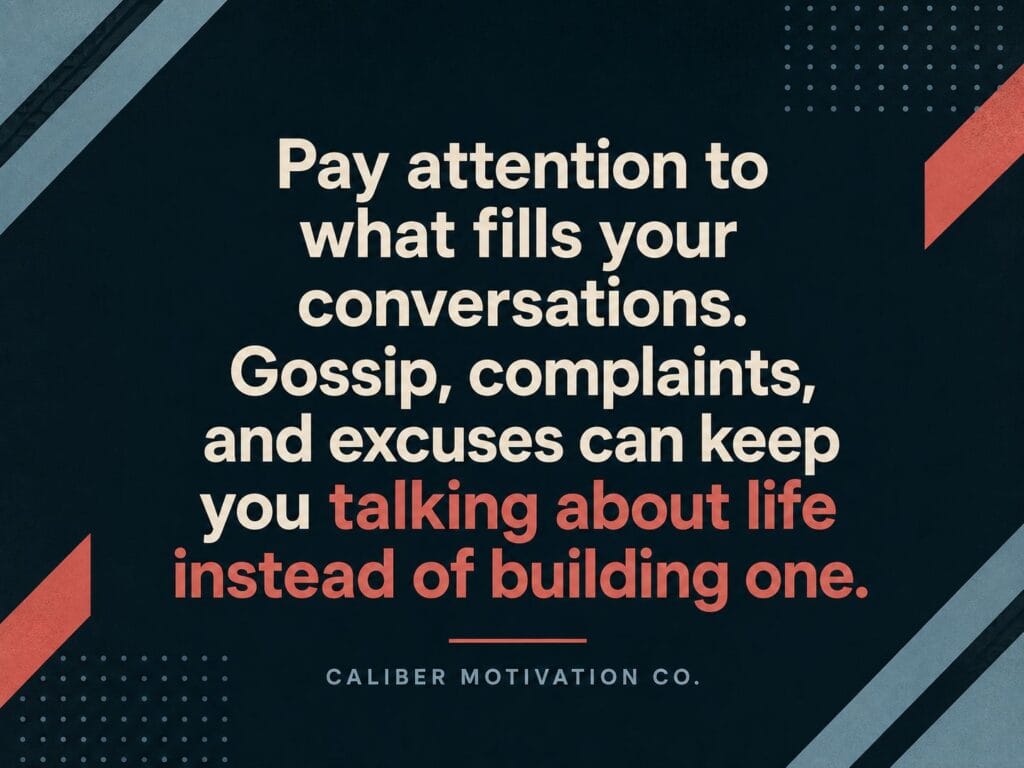
Some friendships are built almost entirely around complaining, gossip, or whatever drama is happening that week. Other friendships leave room for goals, ideas, plans, and things you are trying to build.
Pay attention to patterns like these:
- Every conversation turns into complaining: Work, relationships, money, family—there is always something wrong, but never much interest in finding a solution.
- Gossip keeps the friendship going: Most conversations revolve around other people’s mistakes, problems, or private business.
- Everything stays on the surface: The conversation rarely moves past appearances, buying things, social media, or whatever is trending.
Now compare that with someone who can laugh and joke with you but also talk about where life is going, what they are learning, and what they want to build next.
Ask yourself: When I leave conversations with the people closest to me, do I feel better and more motivated—or drained and pulled into somebody else’s drama?
A Friend Who Will Not Take No for an Answer Is Telling You Something
Have you ever said no to a friend, only for them to keep pushing until you say yes?
I watched this happen when my daughter refused a friend’s dangerous plan to sneak out at night and meet strangers in Jacksonville. Instead of accepting her answer, the friend relentlessly tried to wear her down until my daughter came to me for help. At that point, it was no longer about an invitation—it was about a total refusal to respect boundaries. That is not respect.
You never owe anyone an endless explanation for protecting your safety, energy, or peace. If saying no always creates guilt, you may already be paying the cost of overgiving with your time and boundaries. A real friend might be disappointed, but they will ultimately respect your decision and move on.
Pay attention when someone reacts to your boundaries like this:
- They try to wear you down: Repeatedly asking in different ways, hoping you’ll cave.
- They demand justifications: Treating your “no” as an opening argument rather than a final decision.
- They use guilt as a weapon: Labeling you as “boring,” “selfish,” or “no fun.”
- They punish your firmness: Turning cold or ignoring you simply because you held your ground.
A healthy friend doesn’t have to agree with your choices—they just need to respect that the choice is yours.
Ask yourself: When I say no, do the people in my life respect it—or do they force me to defend myself?

You Should Not Have to Change Yourself to Belong
Sometimes fitting in feels great until you notice what it is costing you.
In Sylvia Plath’s short story Initiation, Millicent wanted desperately to join a high school sorority—until she realized it required giving up pieces of herself. Her best friend was judged for her clothes, and Millicent had to change how she acted just to belong. She ultimately realized true acceptance shouldn’t force you to shrink.
When you’re learning how to choose better friends, pay attention to how much of yourself you have to hide.
Watch for these warning signs:
- Changing who you are: Changing how you dress, speak, or act just to avoid judgment.
- Shrinking your ambition: Feeling criticized because you are working harder or thinking bigger.
- Ditching loyal friends: Being pressured to drop old friends to prove your loyalty.
- Editing every word: Constantly self-censoring because you are worried about the group’s reaction.
A good friendship gives you room to grow without making you audition for your place in it.
Ask yourself: Around the people closest to me, am I free to be myself—or am I performing just to stay accepted?
Good Friends Respect What You Are Building
Your friends do not need to want the same life you want. They do not have to understand every goal, project, or plan either.
What matters is whether they respect the fact that it matters to you.
Pay attention to things like this:
- Your goals become a joke: Your plans are “unrealistic,” or your effort gets treated like you are doing too much.
- They keep pulling at your time: Every time you need to study, work, save money, or focus, they try to talk you into blowing it off.
- Being unavailable becomes a guilt trip: Instead of understanding that you have responsibilities, they make you feel guilty for putting your future first.
A good friend does not need to be involved in everything you are building. But they should not make building it harder.
Ask yourself: When I tell the people closest to me that I need time to work on something important, do they support that—or make me feel guilty for it?
Sometimes History Is Just History
Long history can make a friendship feel permanent, even when the relationship has changed.
You may have known someone since childhood, gone through hard times together, or shared years of memories. That history matters, but it doesn’t automatically mean the friendship still fits the person you are becoming.
Pay attention to things like this:
- They keep pulling you back into your old self: Every mistake from years ago gets brought up, and your growth barely gets acknowledged.
- The friendship only works when you stay stuck: Most of what connects you is old drama, old habits, or old problems that no longer fit your life.
- Would you choose them today? If you met this person for the first time right now, you aren’t sure you would even become friends.
- You keep excusing things because of the history: Behavior you would never accept from someone new gets a pass because “we have been friends forever.”
You don’t have to erase the past to admit that a friendship has changed. Sometimes the memories are real, the good times were real, and the friendship still doesn’t belong in your future. At that point, you may have to walk alone to move forward.
Ask yourself: Am I keeping this person close because the friendship is still good for my life, or simply because we have known each other for a long time?
Protect Your Direction
You don’t need perfect friends, hundreds of friends, or the busiest social calendar. You need people who are good for your life, and there is a difference.
A few solid people who respect your goals, tell you the truth, and want to see you grow can matter far more than a crowded circle that keeps pulling you backward.
You need people who can laugh with you without keeping you stuck. Fun matters, memories matter, and enjoying life matters, but none of those things require you to ignore where your life is heading.
The people you keep close today can quietly shape what you believe is possible tomorrow. Healthy friendships and relationships should support the direction you are going, not constantly pull you away from it.
So enjoy people, have fun, and make memories. Just pay attention to who you become when they are around.
If you are serious about building stronger habits, higher standards, and a future you can be proud of, visit the Caliber Motivation Co. Shop for practical tools built around discipline, growth, and staying on track.
Join The Standard
Get practical articles on discipline, mindset, structure, and execution delivered straight to your inbox.
No hype. No fluff. Just real-world strategies to help you stay focused and keep building.
No spam. Unsubscribe anytime.