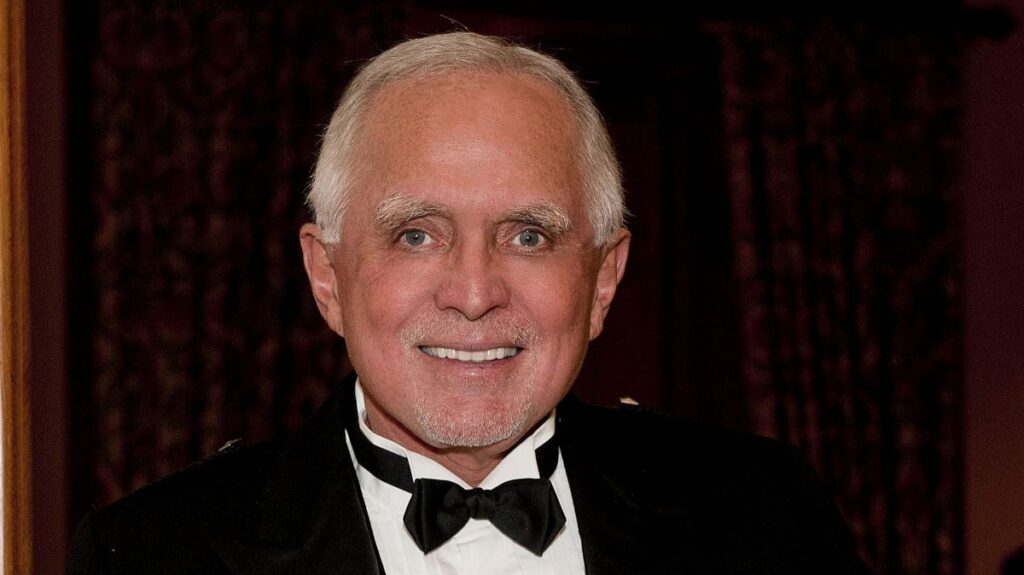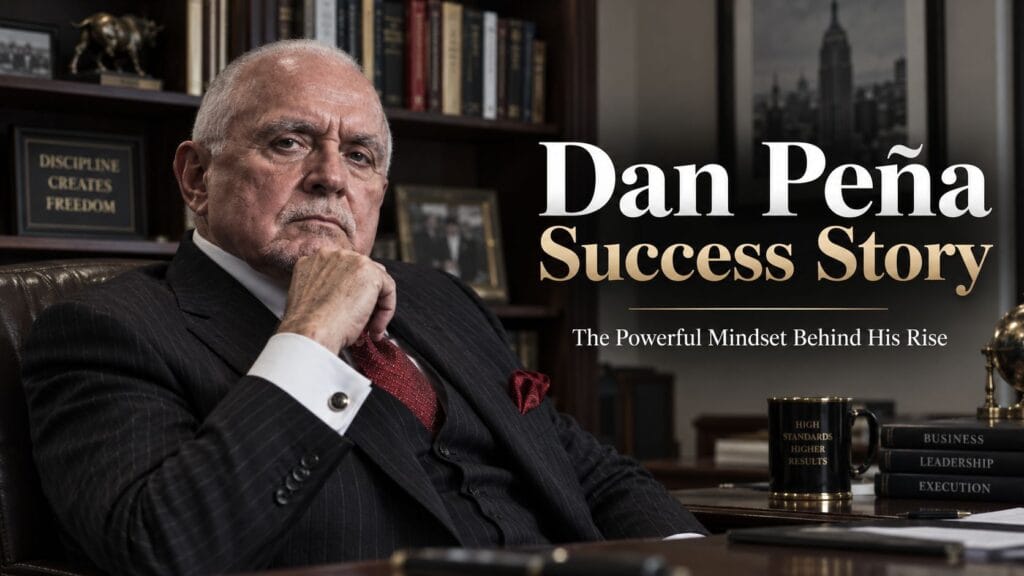
Dan Peña is an American businessman, entrepreneur, and business coach known for his aggressive approach to success, high standards, and relentless execution.
Long before the viral videos, high-energy seminars, and “Trillion-Dollar Man” moniker, Peña built his career in finance, energy, and deal-making.
His rise from East Los Angeles to building a major energy company was anything but smooth. It involved risk, setbacks, boardroom conflict, and the kind of pressure that tests whether your standards are real or just words.
In this Dan Peña success story, we will look at the key moments that shaped his career and the lessons his journey still offers today.
How It Began: Dan Peña’s Early Life
Dan Peña was born in 1945 and spent much of his early childhood in East Los Angeles, California. His family later moved to Encino when he was about 10 years old.
His early years were marked by friction, uncertainty, and a lack of clear direction. However, he eventually redirected that energy toward education, military service, and business.
That shift became the foundation for everything that followed.
Dan Peña didn’t begin with a polished corporate background or a carefully mapped-out business empire. Instead, he built his career through structure, hard decisions, and repeated exposure to pressure.
Military Service and the Start of Dan Peña’s Discipline
The foundation of Dan Peña’s mindset took shape in the U.S. Army. After enlisting, he graduated from Infantry Officer Candidate School and served as an officer during the Vietnam era.
Military service exposed him to pressure, structure, and responsibility at a level most business environments cannot match. It also helped shape several principles he later carried into his career:
- Operating Under Pressure: Make decisions when the easy options disappear and hesitation becomes costly.
- Non-Negotiable Standards: Rely on structure, preparation, and routine instead of short bursts of motivation.
- Absolute Accountability: Own the outcome, learn from mistakes, and stop shifting blame when things go wrong.
Those lessons stayed with Dan Peña long after his military service ended. In business, he continued to place heavy emphasis on preparation, decisive action, and personal responsibility.
For Peña, pressure does not create discipline. It reveals whether discipline was already there.

The Dan Peña Success Story Begins in Business
After leaving the military, Dan Peña attended San Fernando Valley State College, now California State University, Northridge. He earned a Bachelor of Science in Business Administration in 1971, giving him the formal business education that helped prepare him for the next stage of his career.
After graduating, Peña started working in business through real estate and sales. Those early roles gave him practical experience with clients, negotiation, and the pressure of producing results in competitive environments.
From there, he moved deeper into finance. Peña worked as a stockbroker and financial analyst, where he gained exposure to investment strategy, larger deals, and the kind of corporate decision-making that would become central to his career.
As his experience grew, Peña moved into senior leadership roles. He later served as president of Kennedy Industries Inc. and as CEO of J.P. Pratka & Co., giving him more direct experience with natural resources, corporate growth, joint ventures, and high-value business deals.
Those years helped shape the aggressive business style he later became known for. Peña saw how hesitation, slow decisions, and fear of risk could hold companies back when opportunities demanded action.
Instead of waiting for perfect conditions, Peña focused on making decisions with the information available, using outside resources when needed, and moving opportunities forward. That approach became a defining part of his business career.
Years later, after his time at Great Western, Peña turned many of those ideas into a formal business framework called Quantum Leap Advantage. QLA became the system he used to teach entrepreneurs about deal-making, capital, acquisitions, advisers, and aggressive execution.
The Great Western Turning Point
In 1984, Dan Peña founded Great Western Resources Inc. with an $820 investment. Over the following years, he grew the company into a publicly traded energy business valued at roughly $450 million.
That growth didn’t come from playing it safe. Peña focused heavily on deals, capital, acquisitions, and expansion rather than waiting for the company to grow slowly through its own cash flow.
His strategy included:
- Targeting Energy Resources: Peña pursued opportunities in natural resources and energy where he believed assets were undervalued.
- Structuring Strategic Deals: He used joint ventures, financial relationships, and outside capital to help fund expansion.
- Scaling Aggressively: Instead of staying small, Peña pursued larger opportunities that could move the company forward faster.
- Going Public: Great Western Resources eventually became publicly traded on the London Stock Exchange, giving the company access to a much larger financial market.
The important part of the story isn’t simply that an $820 investment eventually became a company worth hundreds of millions. It’s everything that had to happen between those two points.
Peña had to raise capital, negotiate deals, convince investors and lenders, evaluate opportunities, and make decisions while operating in a volatile industry. Some deals worked, others created pressure, and rejection was simply part of the process.
That period became one of the clearest examples of the business style Peña would later teach. He believed growth required action, calculated risk, outside resources, and the willingness to make difficult decisions before every detail felt certain.

Challenges Along the Way
No serious business story moves in a straight line, and Dan Peña’s career was no exception. During Great Western’s expansion, the company faced energy market swings, lender pressure, financial scrutiny, and growing internal conflict.
The biggest setback came when Peña was forced out of Great Western, the company he had spent years building. Boardroom disputes eventually cost him control, and he later pursued the matter legally and received a multimillion-dollar settlement.
That experience matters because success stories often look clean after the fact. They rarely feel clean while you’re living through them, especially when the company you built is suddenly no longer yours to lead.
Setbacks, pressure, and sacrifice are often part of the price of building something worthwhile. If you want to go deeper into that side of achievement, explore 7 Hidden Truths About the Price of Success.
For Peña, losing control of Great Western could have marked the end of the story. Instead, it became another turning point and reinforced one of the ideas he later taught repeatedly: setbacks do not remove your responsibility to keep moving, adapting, and executing.
Building QLA and Guthrie Castle
After being forced out of Great Western, Dan Peña moved into a new phase of his career. He had already spent years working in finance, energy, acquisitions, and corporate leadership, and he began turning those experiences into a system he could teach to other business owners.
Peña bought Guthrie Castle in Angus, Scotland, and the property eventually became the setting for his business seminars and mentoring programs. Over time, the castle became closely tied to his public image and to the high-pressure coaching style he became known for.
He organized many of his business ideas into Quantum Leap Advantage, or QLA. The framework focuses on rapid growth through acquisitions, capital raising, outside resources, experienced advisers, deal structure, and decisive execution.
QLA also reflects one of Peña’s strongest business beliefs: you do not have to build everything alone. Instead of relying only on your own money, knowledge, or time, the system encourages entrepreneurs to use partnerships, advisers, outside capital, and existing resources to move faster.
For Peña, the goal was never simply to work harder. It was to make bigger moves, build stronger teams, and use leverage more effectively when pursuing growth.
Lessons From Dan Peña’s Success
Strip away Dan Peña’s dramatic persona, and several useful lessons remain. His style isn’t for everyone, but the principles behind his success can still apply to business, personal growth, and the way you approach difficult work.
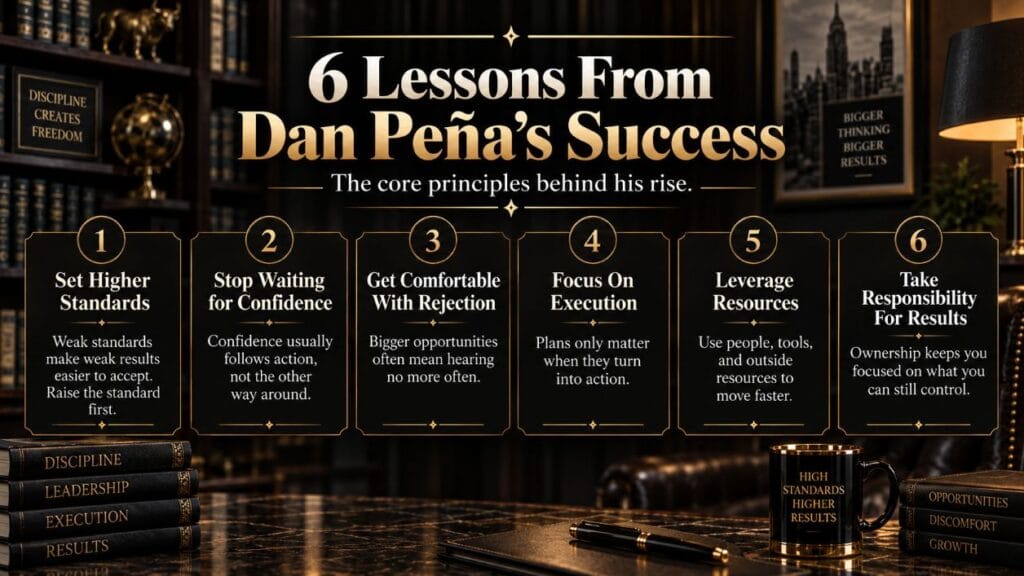
Set Higher Standards
One of the clearest themes in Dan Peña’s philosophy is the importance of standards. He argues that weak standards make it easier to accept weak results, while higher standards force you to change the way you work.
That doesn’t mean you set unrealistic goals for yourself and hope they somehow happen. It means expecting more from your own effort, preparation, follow-through, and decision-making.
If you keep tolerating missed deadlines, half-finished work, and poor execution, those habits eventually become normal. Peña’s approach pushes the opposite idea: decide what standard you’re willing to accept, then make your actions match it.
The biggest lesson is simple. Better results usually require better behavior long before they show up in your bank account, business, or career.
The standards you accept start with your mindset. How to Build Mental Discipline: Your Mind Is a Garden explores how repeated habits shape long-term performance
Stop Waiting for Confidence
Confidence usually follows action. However, a lot of people wait until they feel completely ready before making a move, and that can turn into a trap.
Dan Peña’s approach is much more direct. Don’t wait for perfect confidence before you act. Make the call, send the proposal, publish the product, or start the conversation.
You won’t always feel ready, and that’s normal. Confidence often grows after you prove to yourself that you can move forward even when there’s pressure or uncertainty.
Get Comfortable With Rejection
Big opportunities usually come with a higher chance of hearing no. That’s part of the process, especially when you’re asking for bigger deals, better opportunities, or more responsibility.
Dan Peña built much of his business philosophy around negotiation, deal-making, and asking for more. You can’t operate that way without dealing with rejection.
The goal isn’t to enjoy hearing no. It’s to stop treating rejection like proof that you should quit.
If one person says no, you adjust, learn, and keep moving. Rejection only becomes dangerous when it convinces you to stop asking.
Focus on Execution
Planning matters. Research matters. Strategy matters too. However, none of them creates results if you never move from preparation into action.
Dan Peña’s philosophy puts heavy weight on execution. At some point, you have to stop refining the plan and do the work that can actually create a result.
That might mean sending the email, making the sales call, finishing the product, or closing the deal. You won’t always have perfect information, and you won’t always feel completely ready.
The point is to act anyway. Dan Peña’s success story makes one lesson clear: intention only matters when it turns into execution.
Leverage Resources
Trying to do everything alone can limit how fast you grow. Dan Peña’s QLA approach places heavy emphasis on using outside capital, experienced advisers, strategic partners, and existing resources instead of relying only on your own time and money.
That idea matters even if you’re not buying companies or raising millions of dollars. You can still ask for help, learn from people with more experience, use better tools, and build relationships that move your work forward.
A lot of people get stuck because they think doing everything themselves proves they’re capable. However, real growth often comes from knowing when to bring in the right people, knowledge, or resources instead of trying to carry every part of the business alone.
Take Responsibility for Results
Blaming the market, timing, competitors, or other people may feel justified when things go wrong. However, it rarely improves the result, and it doesn’t give you much control over what happens next.
Dan Peña’s approach puts a lot of weight on ownership. If something isn’t working, the answer isn’t to sit around explaining why. It’s to look at the plan, the execution, and the decisions that led to the outcome.
That doesn’t mean every setback is entirely your fault. It means you’re still responsible for deciding what to do next.
A weak plan can be improved. Poor execution can be corrected. A bad result can become useful if you’re willing to study it, adjust, and move forward.
That’s the real value of accountability. It keeps you focused on the part you can still control.
Excuses become dangerous when they keep you from taking action. Overcome Excusitis: How to Stop Making Excuses and Start Moving, breaks down how to regain control of your momentum.
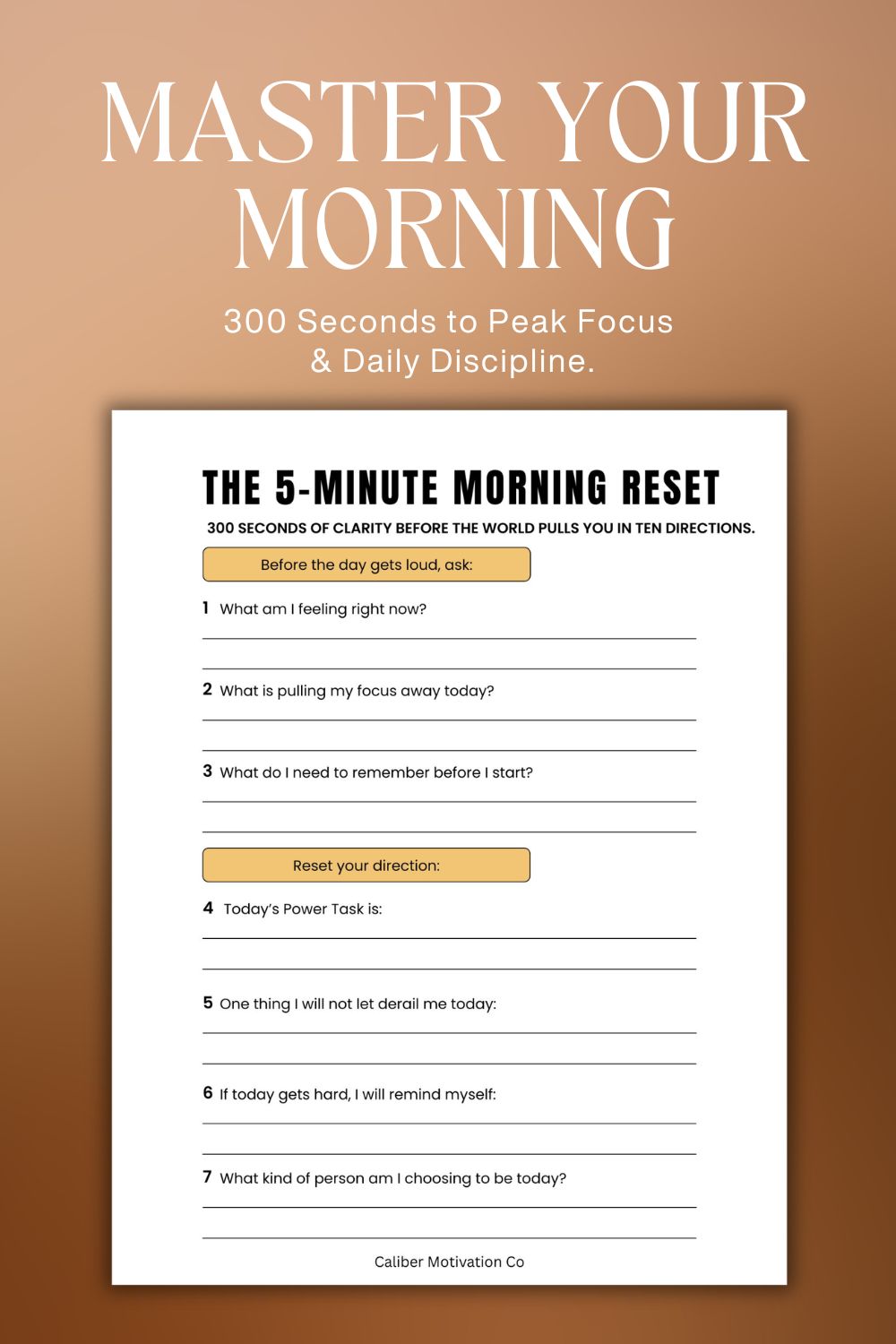
If you’re working on stronger standards and better daily discipline, the Morning Reset gives you a simple way to start. Use it to clear your head, set your priorities, and begin the day with more intention.
Free 5-Minute Morning Reset
Build stronger discipline, focus, and consistency with the free 5-Minute Morning Reset guide from Caliber Motivation Co. Get new blog posts, mindset strategies, and practical systems for long-term growth delivered straight to your inbox.
What You Can Take From Dan Peña’s Story
You don’t need to copy Dan Peña’s personality to learn from his success. You don’t need a castle, a loud voice, or his exact approach to business either.
The useful part is underneath all of that: higher standards, faster decisions, stronger follow-through, and a willingness to do uncomfortable work.
That can apply whether you’re building a company, growing a side income, improving your career, or simply trying to become more disciplined in the way you work.
Instead of spending hours on low-impact tasks just because they feel productive, focus more of your time on work that actually moves something forward.
That might mean:
- reaching out to potential clients
- refining an offer
- finishing a product
- pitching a partnership
- publishing work you keep postponing
- following up on an opportunity
- making a decision you already know needs to be made
The work that creates progress is often the work you’re most tempted to avoid. That’s exactly where discipline starts to matter most.
To see how he puts these principles into practice, explore our 21 Unfiltered Dan Peña Quotes & How to Apply Them to Your Life.
Final Thoughts on the Dan Peña Success Story
Dan Peña’s success story has a lot to teach about discipline, pressure, and execution. His career wasn’t built on one perfect decision. It was built through years of taking risks, making moves, dealing with setbacks, and continuing forward.
If you take one thing from his story, let it be this: high standards only matter when your actions match them. Decide what you expect from yourself, then follow through when the work gets uncomfortable.
You don’t have to copy Peña’s personality, lifestyle, or business style to learn from his rise. Take the lessons that fit, apply them to your own goals, and keep moving.
Built for discipline. Designed for legacy.
If you’re serious about building better habits, stronger systems, and higher personal standards, visit the Caliber Motivation Co. shop for tools designed to help you follow through.